Participate to our
PROJECTS
Our Impacts
Through many years of working with communities, we have seen the struggles and aspiration of young men and women in an effort to reach their goals in order to offer a new environment for a bright future and better society. Our vision is to provide opportunities and support for men and women to utilize their skills and experience in a profitable ventures. We believe in communal effort to achieved a desired goal in a given society. We desire to work in encouraging unionism as we connect and form a network of men and women in full alliances with themselves to rise above poverty for a better society. When people come together they can achieve great things far better than individualistic efforts.
Part of our activities includes: Agricultural development programs, Financial support for small scale medium businesses, Organizing forum for engaging minds on community building and conflict resolution, Career awareness program and social inclusion of PWD, also for young teenagers, Social interactive programs for Orphans and Widows, charitable visitation to prison and Hospitals, health interventions (hepatitis B screening), scholarship support and Girls child education . With these programme and activities; one step at a time, we believe that we can have a better society and great nation. This is the philosophy we believe and we stand upon. The Hanny Ahmed Foundation have engage in so many activities so far.
COMMUNITY SERVICE
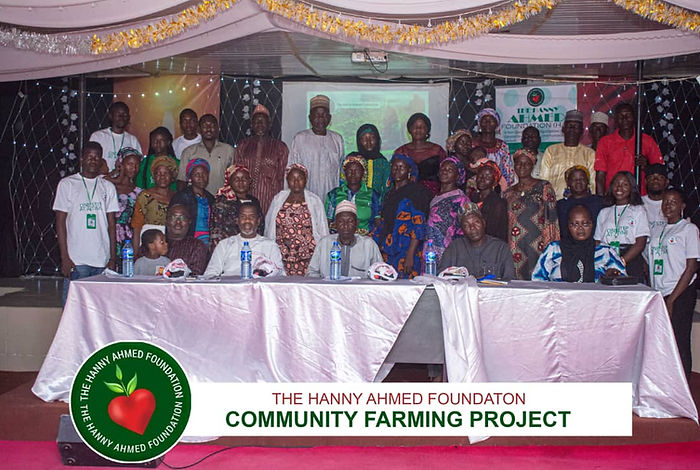
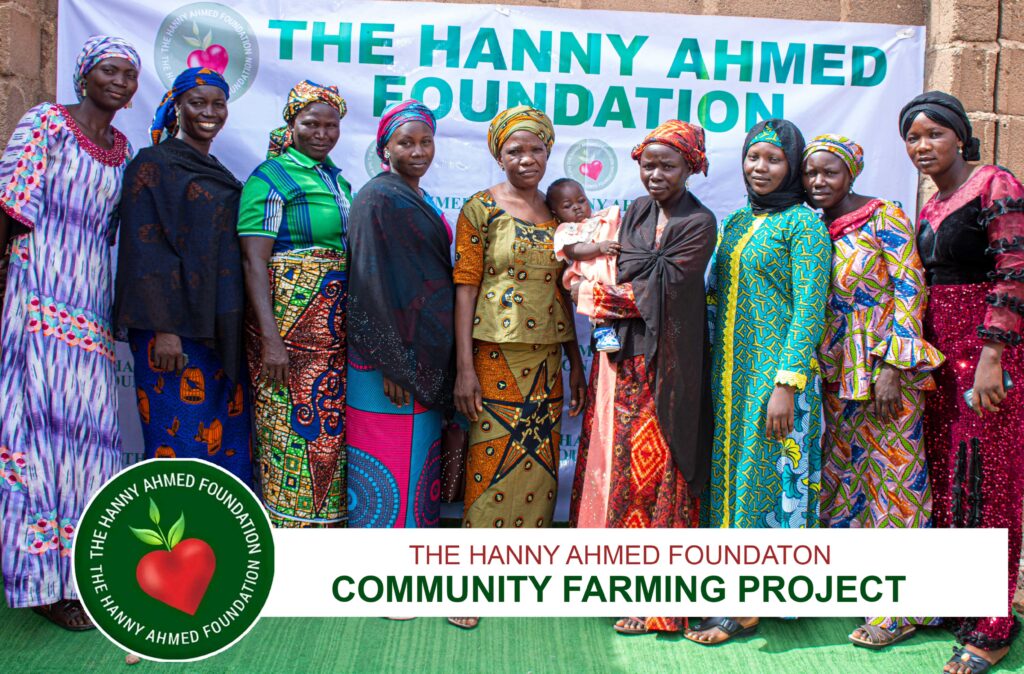
The Hanny Ahmed Foundation Community Farming Project is an initiative aimed at promoting sustainable and innovative agricultural practices in local communities. The project focuses on modernizing traditional farming methods by integrating advanced technologies, techniques, and tools to enhance productivity and improve the livelihood of farmers. The foundation provides training, resources, and support to farmers, enabling them to adopt modern farming practices. promoting modern farming techniques, the project also emphasizes the importance of environmental sustainability and biodiversity conservation. It encourages farmers to preserve their local ecosystems, protect natural resources, and foster biodiversity through the implementation of sustainable farming practices. Through this project, the Hanny Ahmed Foundation aims to empower farmers, promote food security, and contribute to sustainable rural development. By embracing modern farming practices that are economically viable, environmentally friendly, and socially inclusive, the foundation seeks to transform the agricultural landscape and foster resilient and thriving communities.
Awareness and Distribution of Stoves as Means of Risk Mitigation of Climate Change.
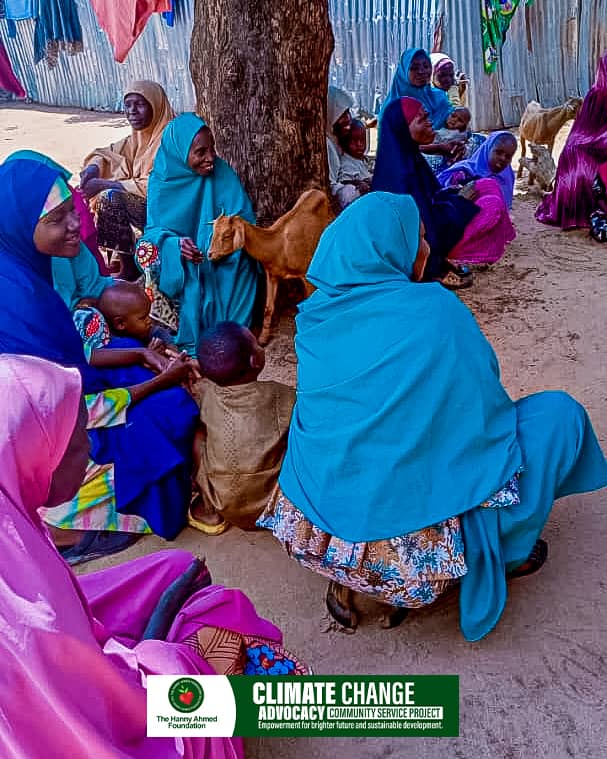
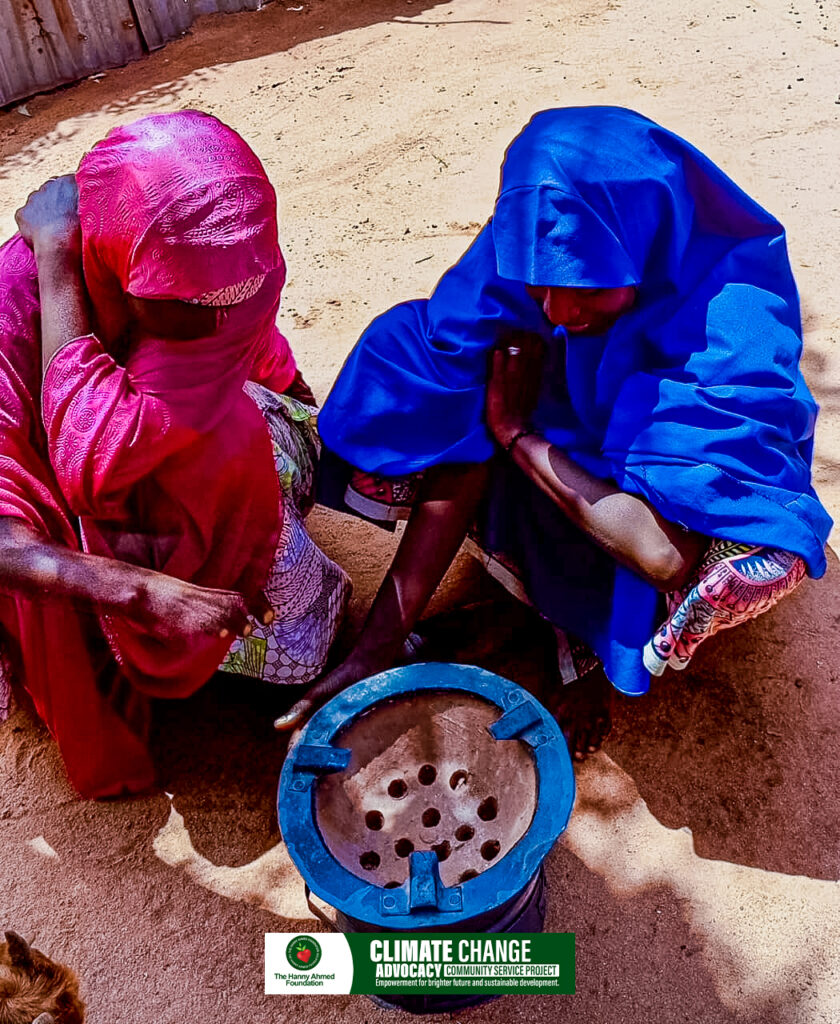
Climate change initiative focuses on empowering women and households to mitigate the adverse effects of climate change while improving health outcomes. The project began with targeted awareness sessions in Tumfure, where participants were educated on the risks associated with traditional cooking methods, particularly indoor air pollution caused by smoke from firewood and charcoal.
Also health aspects in women and children in households.
Women, who are disproportionately exposed to these health hazards, were trained on the dangers of smoke inhalation, which contributes to respiratory illnesses and long-term health challenges for both mothers and children. Participants also learned practical strategies for risk mitigation, including cleaner cooking practices and sustainable fuel alternatives.
As a tangible outcome of the project, we distributed clean cookstoves to households within the community. This will not only reduces harmful smoke exposure but also supports climate change mitigation by lowering carbon emissions and reducing deforestation caused by fuelwood collection.
Through this intervention, the project empowers women to become agents of change in their households and communities, promoting healthier living environments and contributing to broader environmental sustainability.
Key Outcomes:
1. Increased awareness among women and households on the health and environmental risks of traditional cooking methods.
2. Reduced exposure to indoor air pollution through the adoption of clean cookstoves.
3. Strengthened community engagement in climate change mitigation and sustainable practices.
Prison Visitation
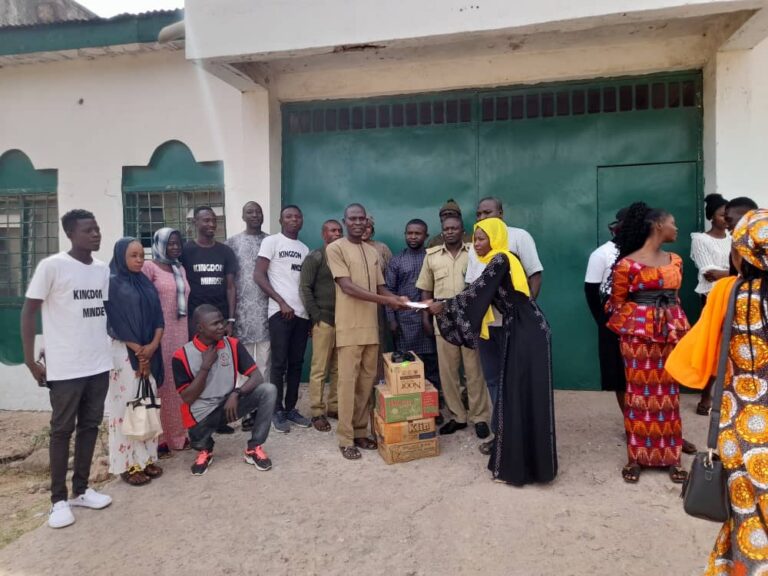
This includes a prison special visit. This is in an effort to identify with the inmate to encourage them in all possible ways to see their potential to and respond to the call of destiny. During the 2022 Prison Special Visit in Billiri Correctional Center, the Hanny Ahmed Foundation supported the skills acquisition training going on in the correctional center with a seed capital, beside the materials items offered. On the event the inmates were encouraged to learn skills and hand work which will keep them busy and productive as they rejoin the larger society. The Hanny Ahmed Foundation assures the workers of their unwavering support to continue to provide raw material and machineries for an effective and efficient training for the inmate.
Widows, Orphans And Less Privileged Support.
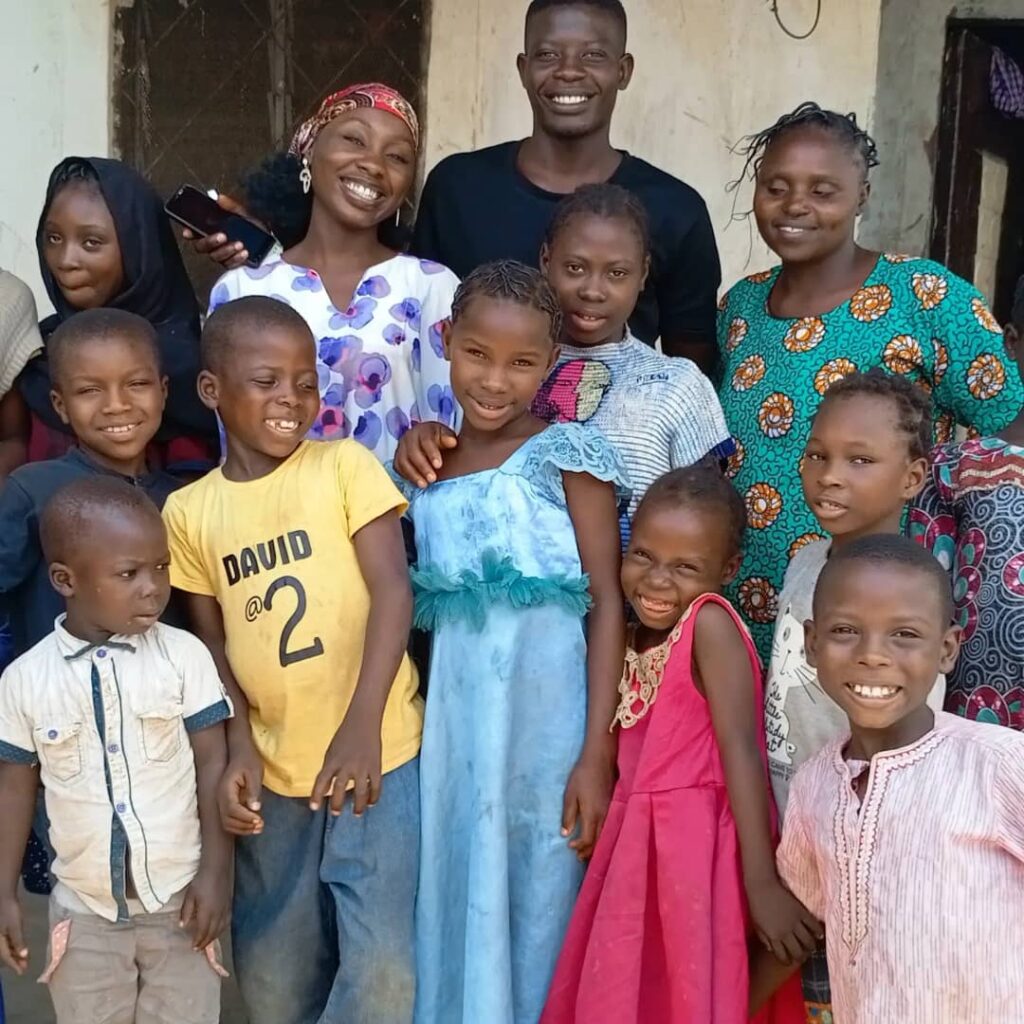
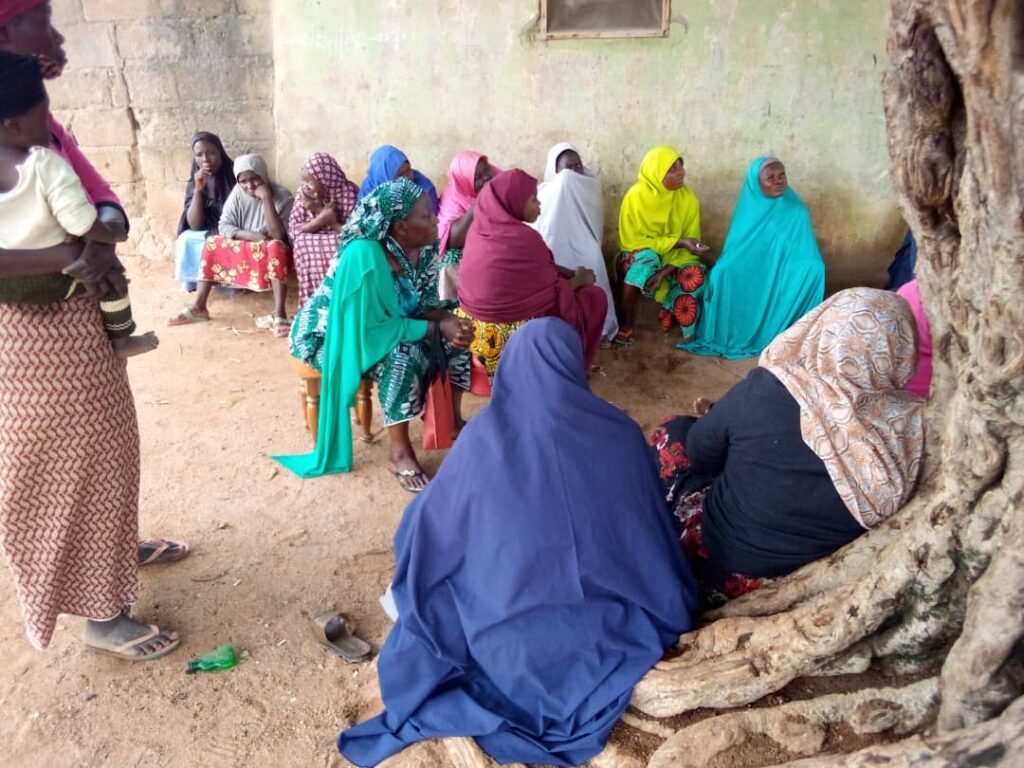
We had a house to house surprise visit to identified widows and less privileged in Pero-Chonge Communities and Tunfure; this is an annual activities where we offer presents and identify ourselves with their condition. And promise to stand with them whenever the need arises. materials and food stuffs were shared.
We also visited CNECOF International and Gidan marayu in Tunfure Yearly, where foodstuffs, education materials and clothes were distributed to the orphans, we also had counseling session with the teenagers.
HEALTH CARE INTERVENTION
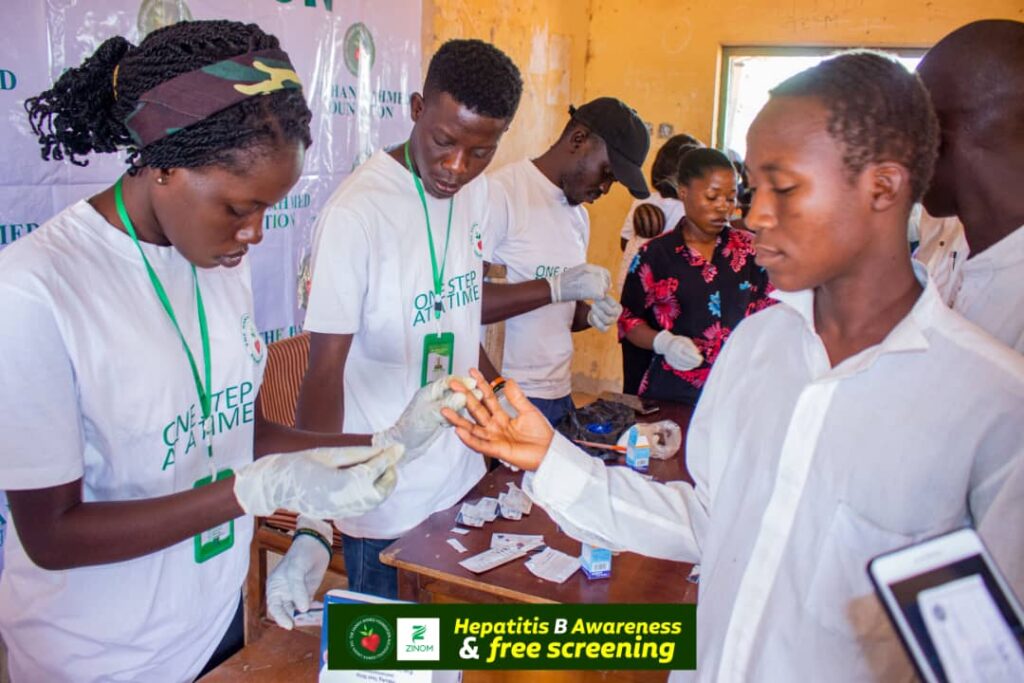
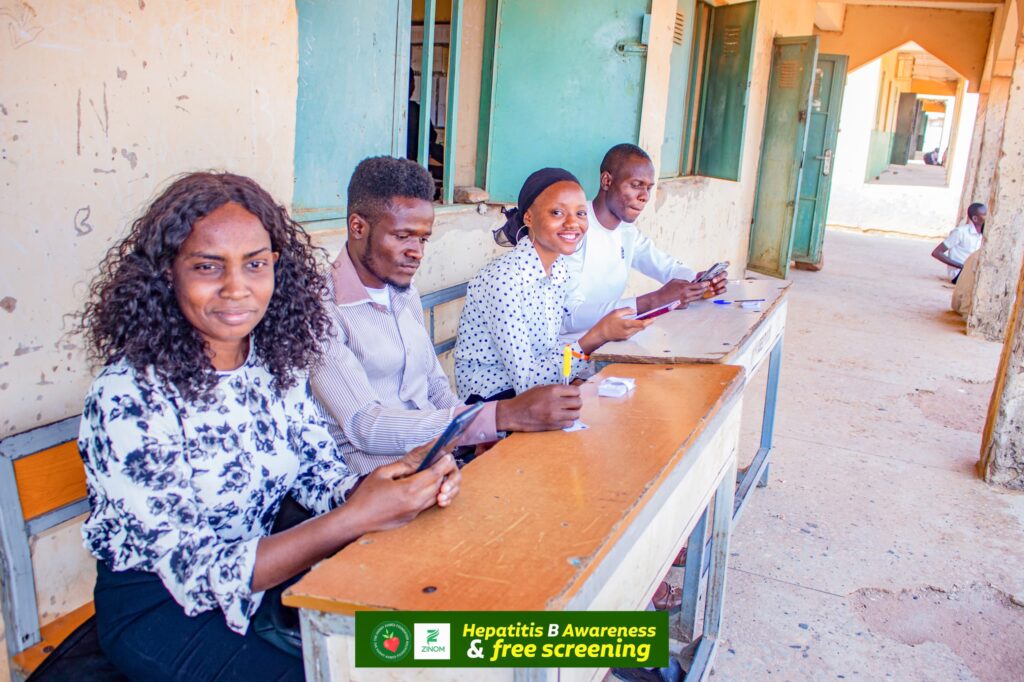
Hapatitis B Awareness & Free Screening 2025
The Hanny Ahmed Foundation, in partnership with the Zinom Foundation and Pharmaceutical, conducted the Hepatitis B Screening Program to raise awareness and provide free screening for Hepatitis B among students and staff.
The initiative began with an awareness campaign on February 24, followed by the screening process on February 25. The program was successfully executed, contributing to increased knowledge and early detection of Hepatitis B within the school community.
Through these initiatives, the organizers aimed to promote a culture of inclusion, empowerment, and support, helping individuals with disabilities reach their full potential and live fulfilling lives.
Hepatitis B Free Awareness, Test, and Vaccination 2021
the beneficiaries are Orphans, widows, vulnerable youth, residing at CNECOF International and Gidan Marayu.
Significance of The Initiative
Hepatitis B is a viral infection that affects the liver and can lead to chronic liver disease, liver cancer, and cirrhosis if left untreated. Early detection through testing and prevention via vaccination are crucial steps in combating this disease. The World Health Organization (WHO) has set global targets for the elimination of viral hepatitis as a public health threat by 2030. This campaign was part of the foundation’s commitment to improving public health and ensuring that vulnerable populations have access to essential healthcare services. By providing free testing and vaccination, the initiative sought to reduce the prevalence of Hepatitis B and prevent its associated complications within the community.
Outcomes
The project successfully reached a significant number of individuals, with a total number of 350 reach outs, providing them with health services and raising awareness about Hepatitis B prevention and treatment. The collaboration among the organizations involved demonstrated a unified effort to address public health challenges and support vulnerable groups in Gombe State.
Through initiatives like this, the Hanny Ahmed Foundation continues to work towards its mission of fostering an inclusive society where all individuals have access to the resources and support they need to lead healthy and fulfilling lives.
Through initiatives like this, the Hanny Ahmed Foundation continues to work towards its mission of fostering an inclusive society where all individuals have access to the resources, and support they need to lead healthy and fulfilling lives.
Empowering a Bright Future No to Drugs, Yes to Dreams Campaign
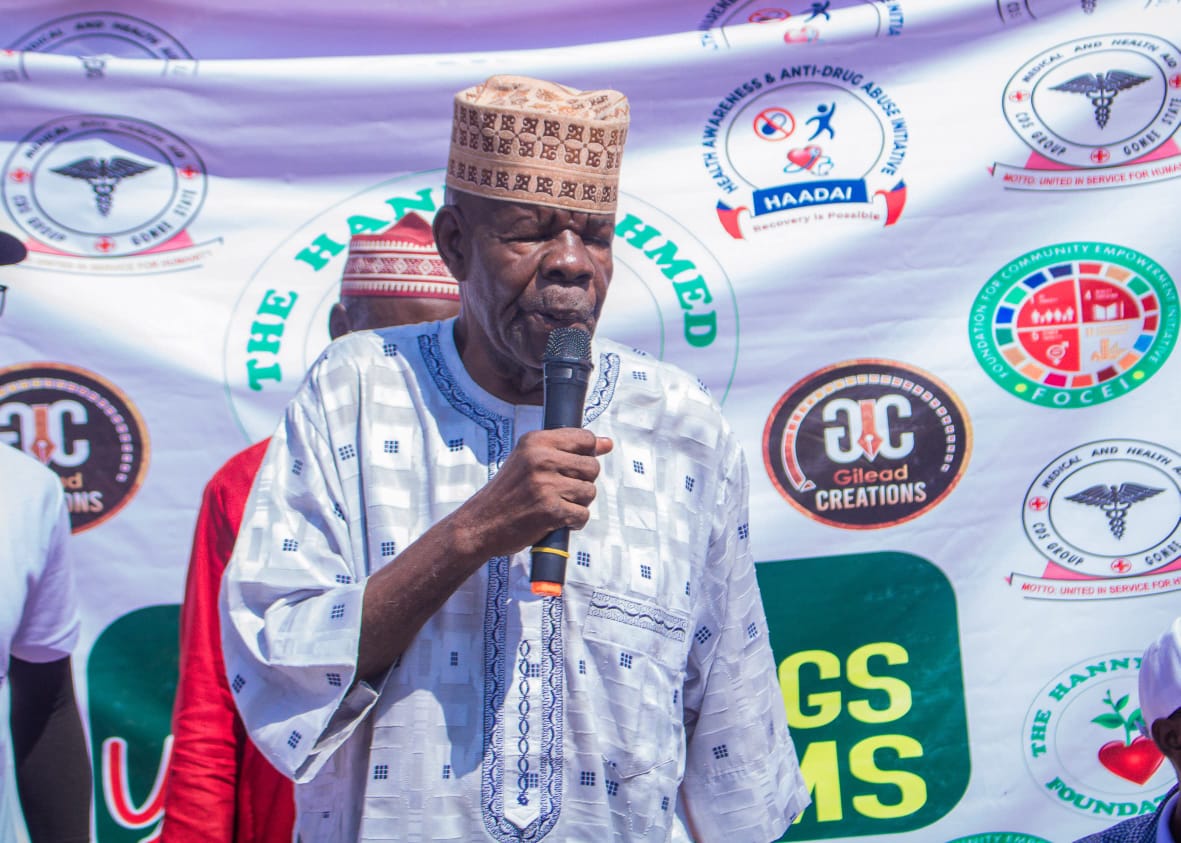
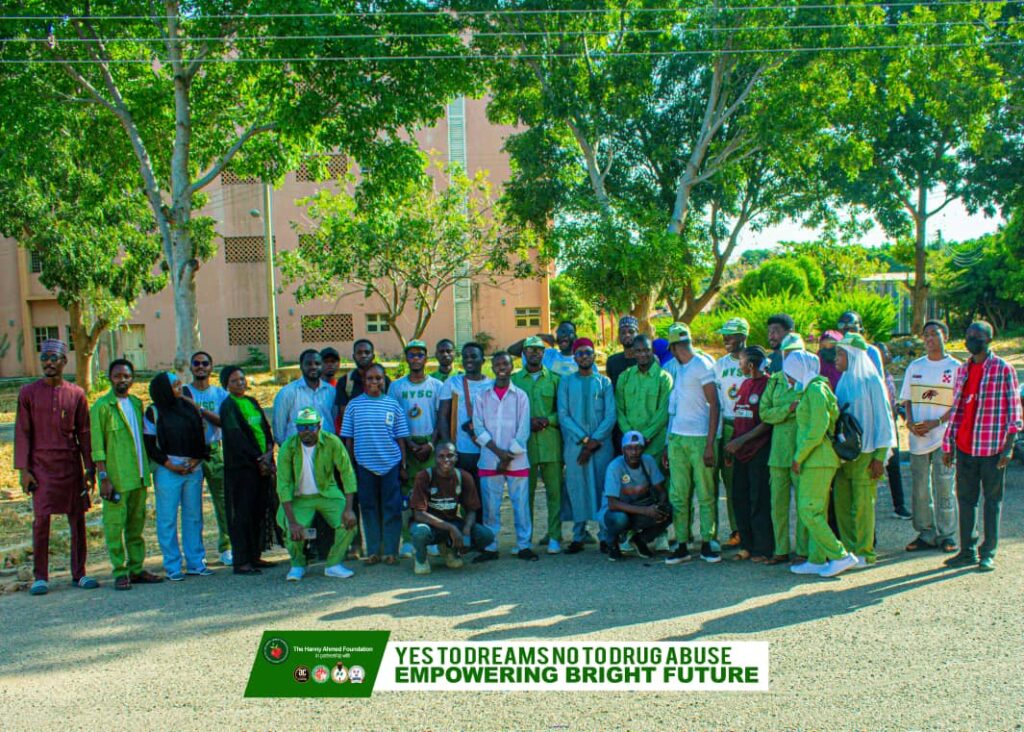
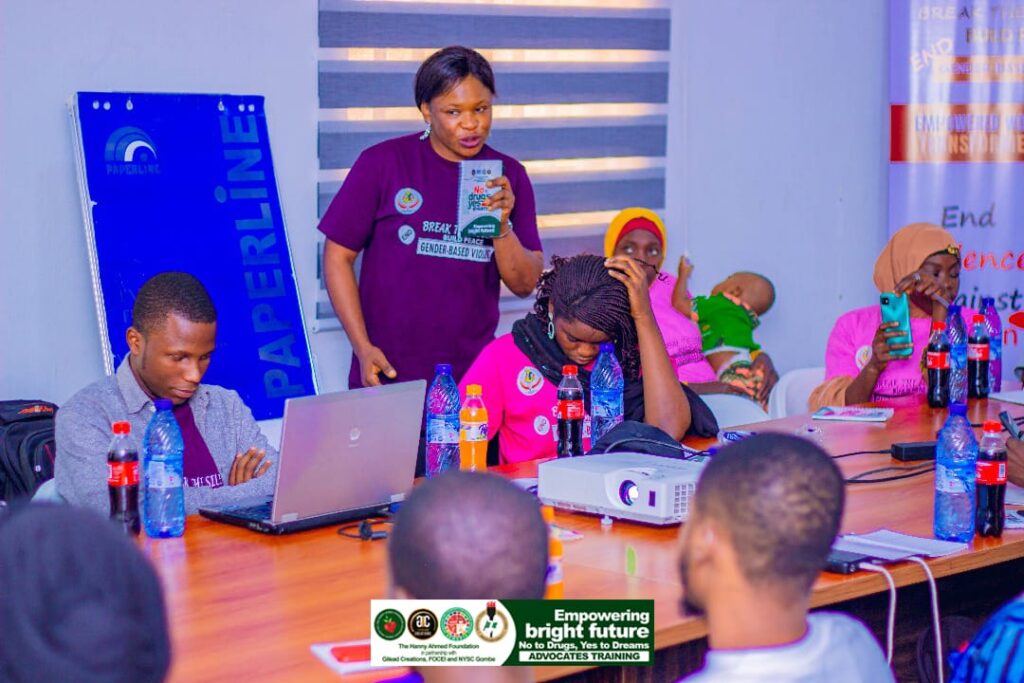
Overview of the Project
The “Empowering a Bright Future: No to Drugs, Yes to Dreams” campaign is a multi-stage drug abuse prevention and rehabilitation initiative aimed at reducing drug use, raising awareness, and creating sustainable recovery pathways within communities and academic institutions.
Following a successful online awareness phase, the project transitioned into physical community outreach and later expanded into campus-based prevention efforts, ensuring a holistic and inclusive approach.
Stage One: Empowering Bright Future: “No to Drugs, Yes to Dreams” Online Campaign Implementation process.
Globally, drug use is a major public health challenge. In 2023, about 316 million people (6 % of the world’s population aged 15 – 64) used drugs, up from 5.2 % a decade earlier, with cannabis leading at 244 million users worldwide .
By comparison, Nigeria’s drug use prevalence is 14.4 % of adults aged 15 – 64, nearly three times the global average, affecting roughly 14.3 million people and leaving over 3 million in need of treatment.
This stark contrast highlights why a focused response is essential.
The Hanny Ahmed Foundation (THAF) launched the Empowering Bright Future online campaign as the flagship starting point of its “No to Drugs, Yes to Dreams” initiative. Designed to reach thousands, train advocates, and gather data for future steps, the campaign successfully engaged over thousands plus reach, creating a vibrant digital platform for awareness, learning, and youth empowerment.
Format: Fully online, leveraging webinars, social media, and interactive sessions.
Duration: 1 month June – August 2025
Geographic Reach: Participants from Nigeria, other parts of Africa, and international audiences.
Speakers and Expertise:
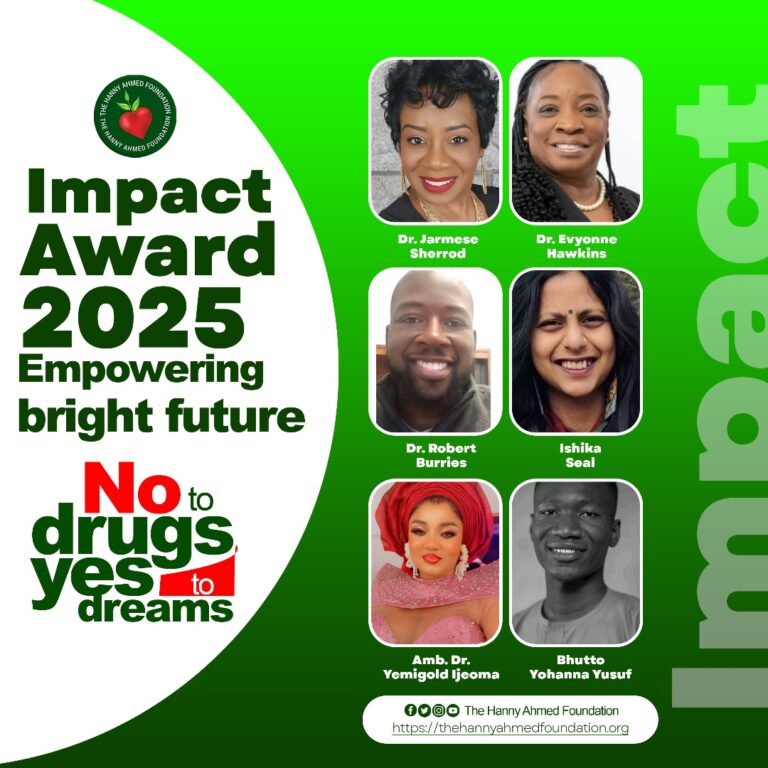
The campaign featured 6 distinguished speakers from across the globe:
3 from the United States Experts in youth development, mental health, and drug prevention.
1 from India – Specialist and founder of research institution.
2 from Nigeria– Leaders in youth empowerment and community development.
These speakers shared insights, personal stories, and practical strategies, inspiring participants to become advocates in their communities.
Activities and Platforms
- Webinars and Panel Discussions: Interactive sessions with speakers and Q&A opportunities.
- Social Media Awareness: Hashtag campaigns (#NoToDrugYesToDreams) and shareable content.
- Advocate Training: Participants were trained to design and share awareness messages, creating a ripple effect.
- Data Collection: Feedback forms and engagement metrics gathered for analysis and next-step planning.
Outcomes and Impact.
- Over thousands reached online, exceeding initial targets.
- 40 trained advocates actively creating and sharing awareness content.
- 74 participants engaged in interactive sessions.
- 30 feedback responses collected, providing insights into participant experiences and suggestions for improvement.
- Established a digital community platform for ongoing dialogue, resource sharing, and youth empowerment.
- Data collection using survey forms and interviews.
Next Steps.
Data collected from this campaign will inform:
- Targeted community outreach programs.
- Development of local advocate networks.
- Partnerships with schools, health centers, and rehabilitation organizations.
- Scaling up to hybrid (online + offline) campaigns for deeper impact.
Conclusion
The Empowering Bright Future online campaign has proven that digital platforms can mobilize youth, spread awareness, and lay the foundation for long-term community transformation.
By combining global expertise with local action, THAF has taken a bold first step toward a drug-free, dream-filled future for Nigerian youth which lead to the second stage.
Stage Two: Transition from Online to In-Person Outreach
After the impactful online campaign, the project entered its first physical implementation phase, focused on direct community engagement and data collection.
Partner Collaboration
- This stage was implemented in collaboration with four key partners:
- FOCEI
- Gilead
- CDs Medical & Health Aid Group
- Health Awareness & Anti-Drug Abuse Initiative
- Advocates trained during the online phase were mobilized and further strengthened through in-person capacity-building sessions, ensuring:
- Unified messaging
- Coordinated outreach
- Evidence-based engagement strategies
- Targeted High-Risk Communities
The outreach focused on three high-risk zones identified for elevated drug-related activities:
Mile 3, Tashan Hatsi, Dauruwa
Objectives of This Phase
- Raise strong community awareness on the dangers of drug abuse
- Conduct surveys with individuals affected by drug use
- Identify and support individuals willing to begin recovery
- Results Achieved
- All objectives were successfully met. The team:
- Engaged community members through dialogue and sensitization
- Collected valuable field data through surveys and interviews
- Identified individuals ready to take steps toward a drug-free life
- The findings from this phase now form the foundation for future intervention planning.
Key Activities and Outcomes of the In-Person Phase
- Major Activities
- Media Coverage
- GMTV provided full media coverage, significantly amplifying the campaign’s reach and visibility.
- Government & Stakeholder Engagement
- Voice notes and statements were collected from government officials, traditional leaders, and community stakeholders, demonstrating strong support and urgency for action.
- Interviews with Drug-Affected Individuals
- Direct interviews helped capture real-life experiences, challenges, and readiness for rehabilitation.
- Community Surveys & Research
- Structured surveys and field research were conducted across Mile 3, Tashan Hatsi, and Dauruwa to assess:
- Prevalence of drug use
- Risk factors
- Potential intervention strategies
- Impact of the In-Person Phase
- Increased public awareness of drug abuse dangers
- Stronger collaboration among partners and advocates
- Identification of individuals willing to pursue recovery
- Reliable data collected for evidence-based programming
- Improved community trust through open dialogue
Stage Three: Gombe State University (GSU) Campus Outreach
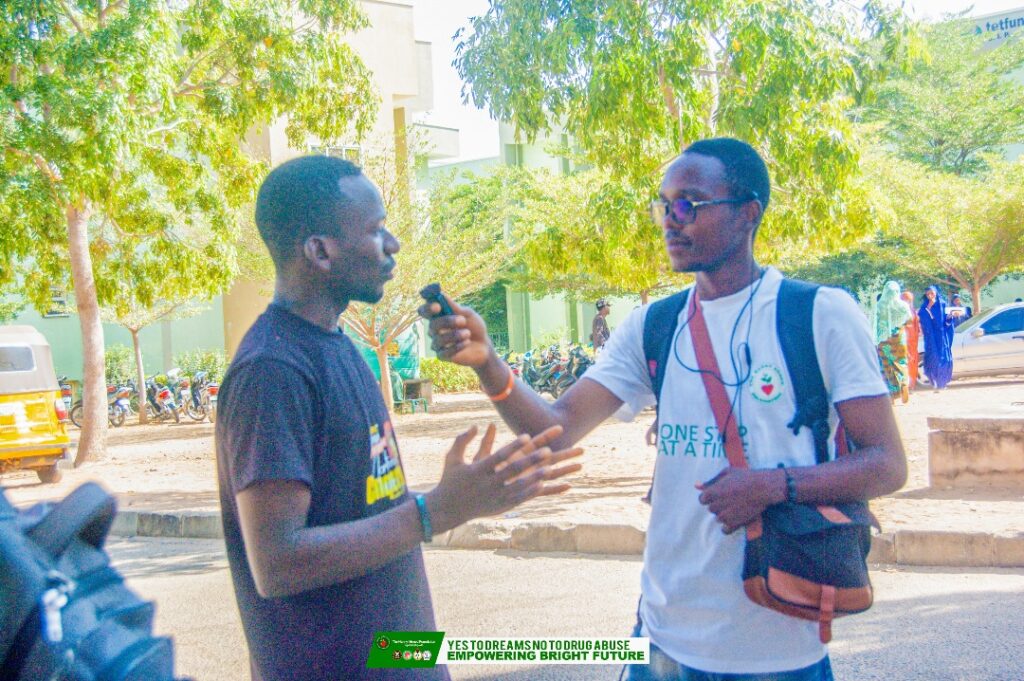
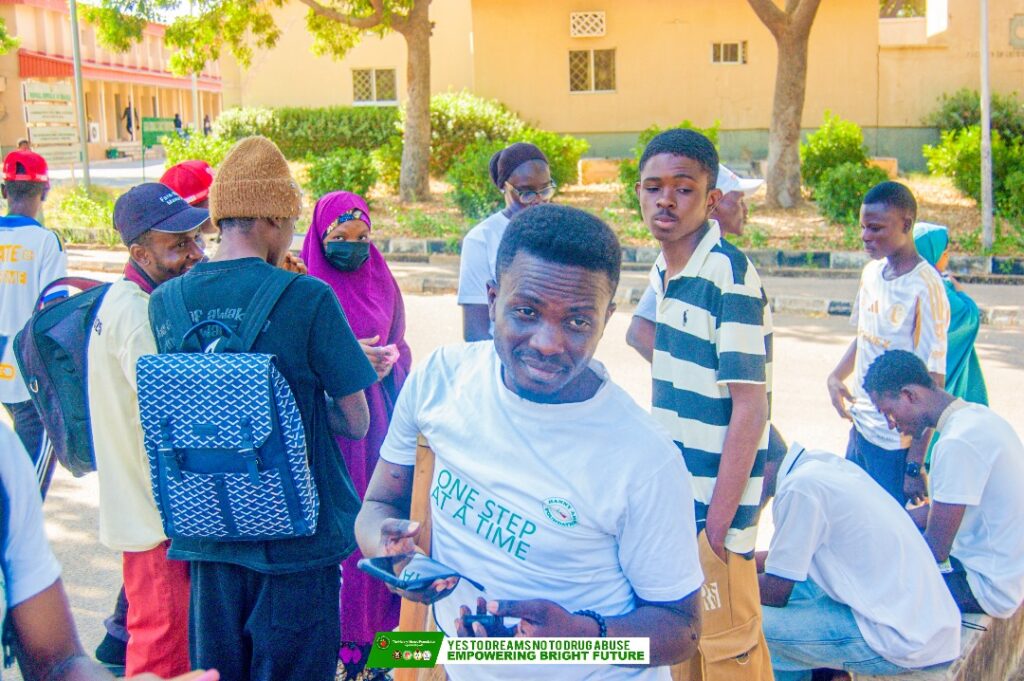
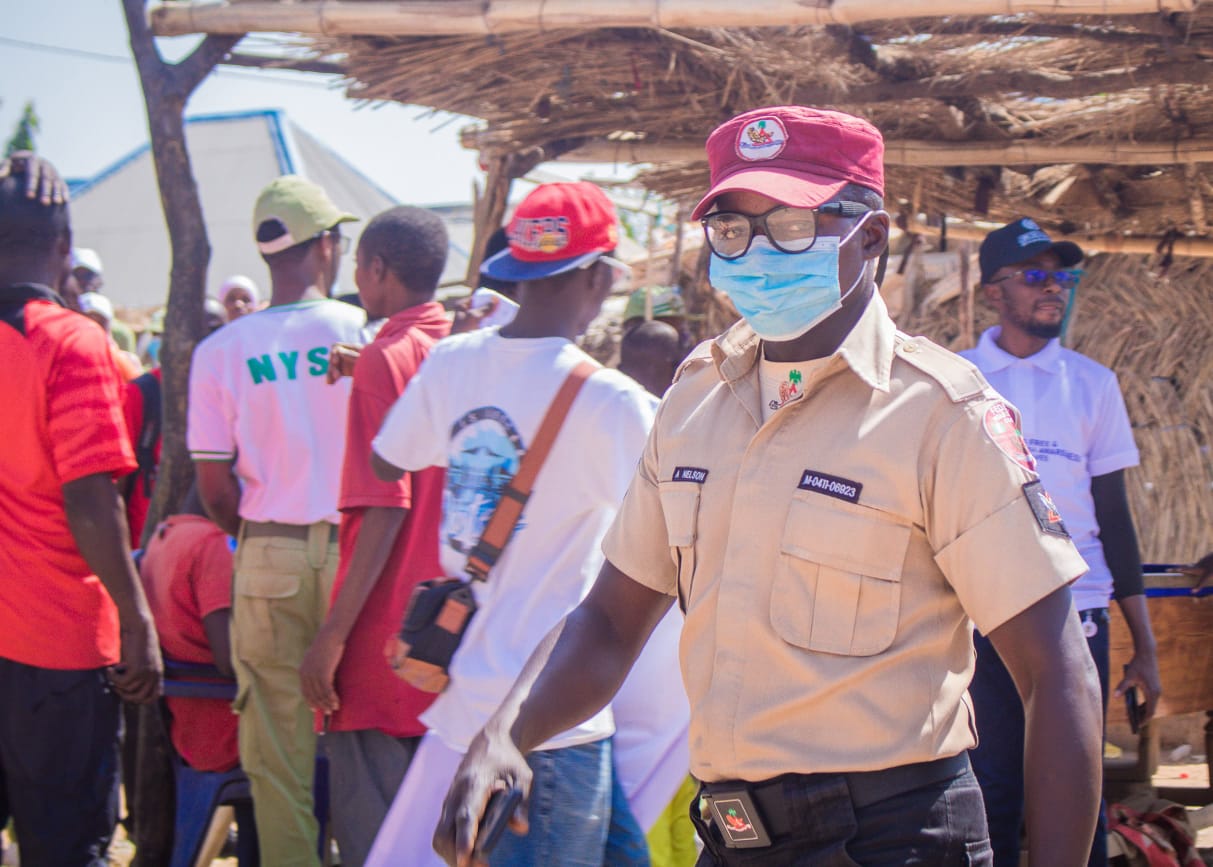
The third phase extended the campaign into academic spaces, focusing on prevention, awareness, and early intervention among students.
Activities Conducted at GSU
Expert-Led Sessions Each partner organization provided one speaker, ensuring diverse expertise and perspectives:
FOCEI
Gilead
CDs Medical & Health Aid Group
Health Awareness & Anti-Drug Abuse Initiative
Interactive Student Engagement
Open discussions allowed students to share experiences, ask questions, and address misconceptions about drug use.
Campus Awareness Outreach
The team conducted outreach across various campus locations, distributing educational messages and encouraging positive peer influence.
Student Drug Abuse Study
Surveys and guided discussions examined:
- Nature and patterns of drug use
- Contributing factors
- Effects on academic and personal life
- Outcomes and Success
- High student participation and engagement
- Increased awareness of drug-related risks
- Strong interest from students and university stakeholders
- Clear evidence supporting the need for sustained campus programs
Future Direction: Sustainability and Long-Term Impact
Next Steps Based on Project Findings
The data collected across communities and the university will be used to:
- Develop a comprehensive proposal for donor support
- Seek government partnership and involvement
- Design a rehabilitation and vocational skills training program
- Establishment of an Anti-Drug Club at GSU
- The proposed Anti-Drug Club will:
- Sustain awareness and prevention activities
- Train student peer advocates
- Provide early support for at-risk students
- Promote a healthy, drug-free campus culture
Conclusion
The “Empowering a Bright Future: No to Drugs, Yes to Dreams” campaign has successfully moved from awareness to action. Through strong partnerships, community trust, data-driven engagement, and youth involvement, the project is laying a solid foundation for long-term solutions to drug abuse.
This initiative demonstrates that real change is possible when communities, institutions, and partners work together.
EDUCATION
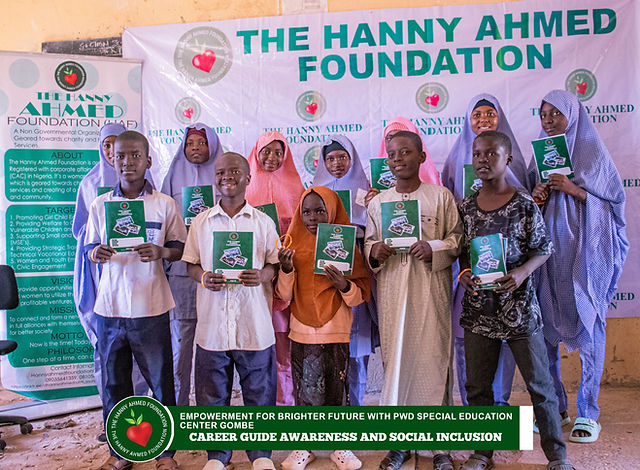
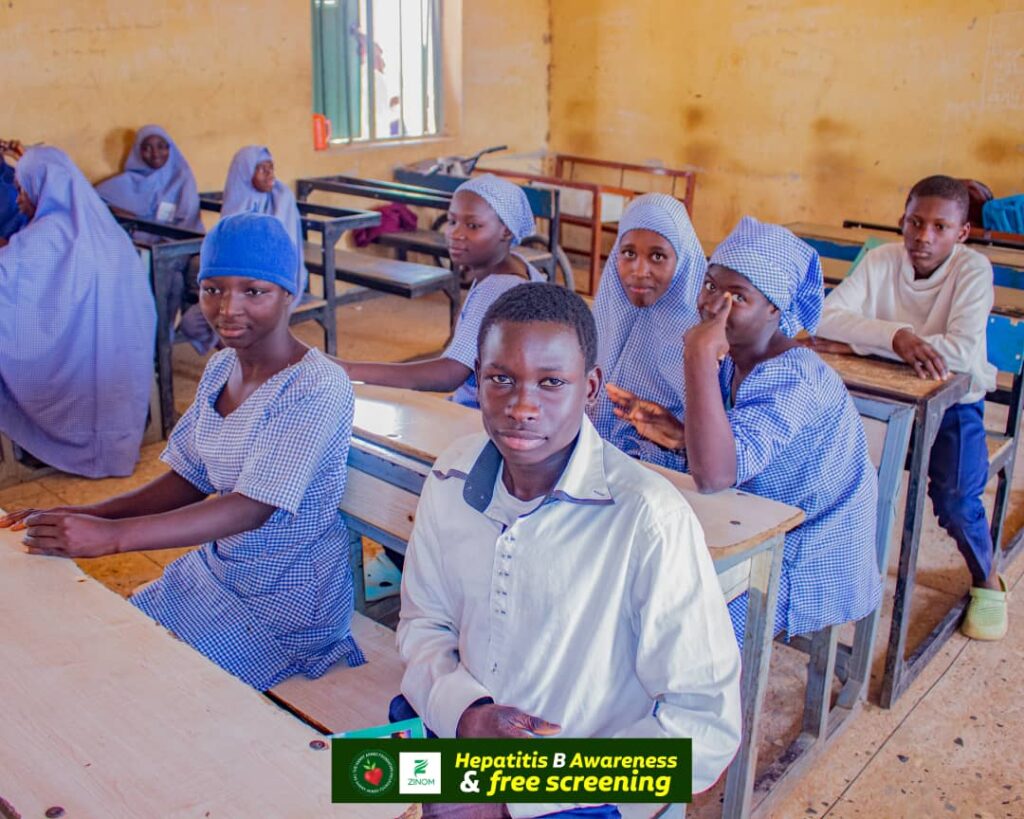
The foundation has also provided books and other educational materials to support the learning needs of students with disabilities. This effort aims to enhance educational resources and promote a conducive learning environment for PWDs.Social Inclusion and Career Guidance.
In collaboration with the Special Needs Education Center, the foundation promotes social inclusion and provides career guidance to students with disabilities and extend it to the teachers. This initiative aims to empower PWDs by enhancing their skills and broadening their career prospects. Both the teachers and the students.
Leadership Essentials, Life Skills Entrepreneurship
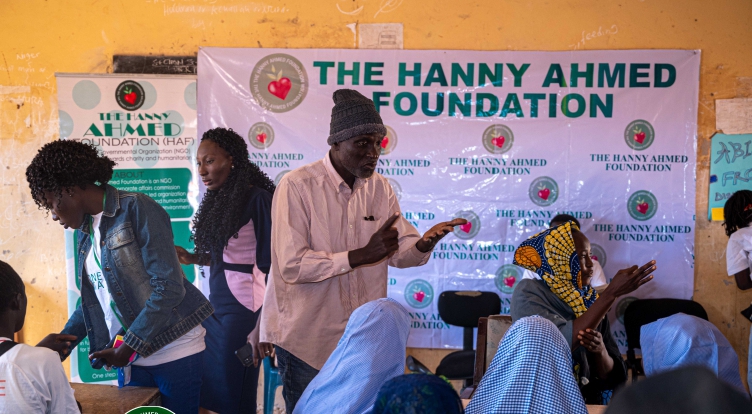
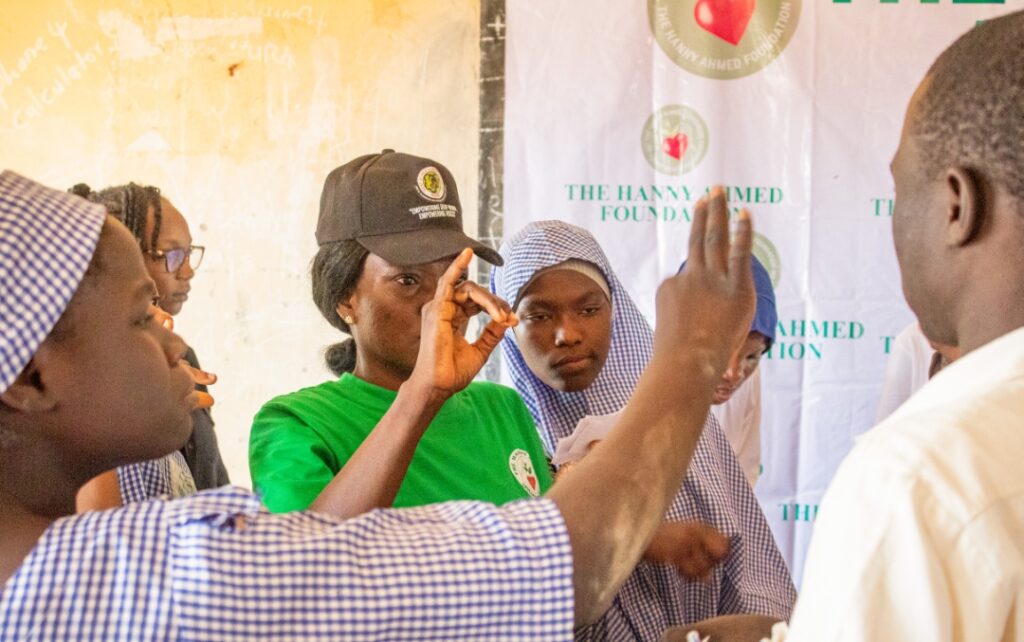
The training program for selected secondary school leaders, including those from Evangel Secondary School Tumfure and CNECOF International Futuki Balanga, focuses on enhancing leadership skills, life skills, and entrepreneurship. Participants will engage in interactive workshops designed to equip them with practical tools to foster resilience, critical thinking, and innovative problem-solving among students. This initiative aims to empower leaders to create a supportive learning environment that encourages entrepreneurship and personal growth. By the end of the program, leaders will be better prepared to inspire the next generation of change-makers.
Capacity Building Training for PWDs
The Hanny Ahmed Foundation is dedicated to addressing societal challenges faced by Persons with Disabilities (PWDs) in Gombe State, Nigeria. Recognizing the need for targeted interventions, the foundation has partnered with the Special Needs Education Center in Tasha Dukku to implement several key initiatives.
Social Inclusion and Career Guidance.
In collaboration with the Special Needs Education Center, the foundation promotes social inclusion and provides career guidance to students with disabilities and extend it to the teachers. This initiative aims to empower PWDs by enhancing their skills and broadening their career prospects. Both the teachers and the students.
Career Awareness
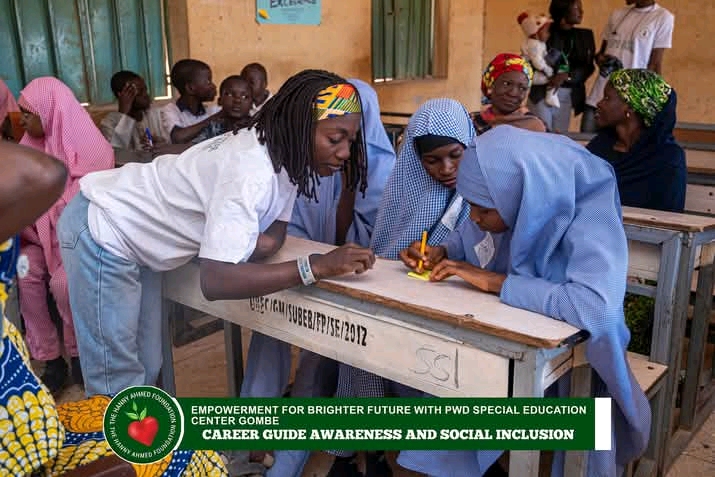
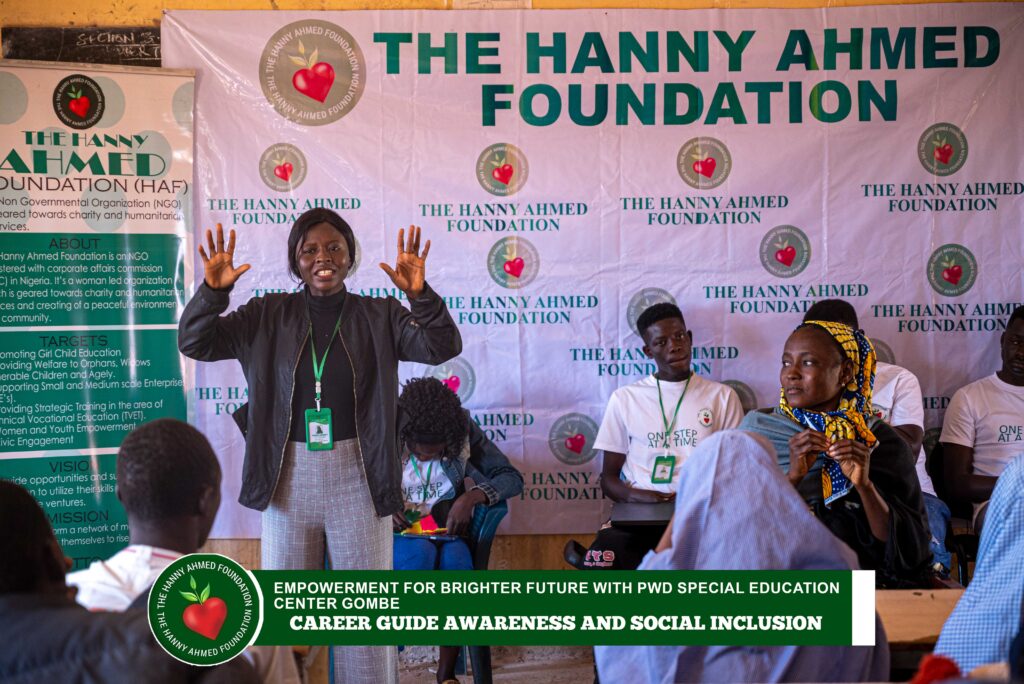
The Hanny Ahmed Foundation is committed to addressing the societal challenges faced by Persons with Disabilities (PWDs) in Gombe State, Nigeria. Through its partnership with the Special Needs Education Center in Tasha Dukku, the foundation promotes social inclusion and career development for both students and teachers with disabilities. By equipping PWDs with essential skills and broadening their career prospects, this initiative fosters a more inclusive and empowering learning environment where educators and students alike can thrive.
Girls' Education and Gender-Based Violence
Scholarship Support Project
In collaboration with the Special Needs Education Center, the foundation promotes social inclusion and provides career guidance to students with disabilities and extend it to the teachers. This initiative aims to empower PWDs by enhancing their skills and broadening their career prospects. Both the teachers and the students.
Advocacy and Awareness
The foundation actively engages in advocacy to raise awareness about the challenges faced by PWDs, including early marriage, limited career opportunities, and political exclusion, life skills and entrepreneurship development. By addressing these issues, the foundation seeks to create an inclusive environment that supports the education, health, and overall development of PWDs.
MAKING A DIGITAL SHIFT
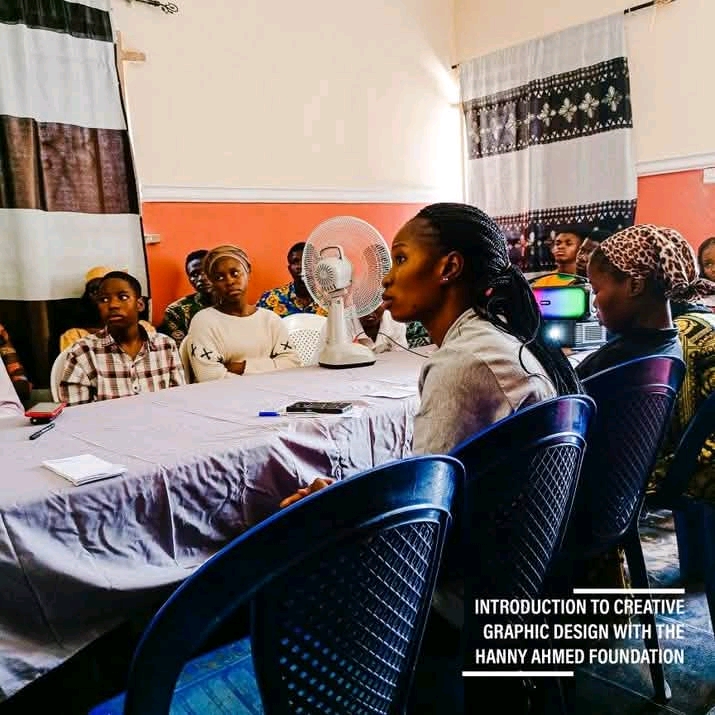
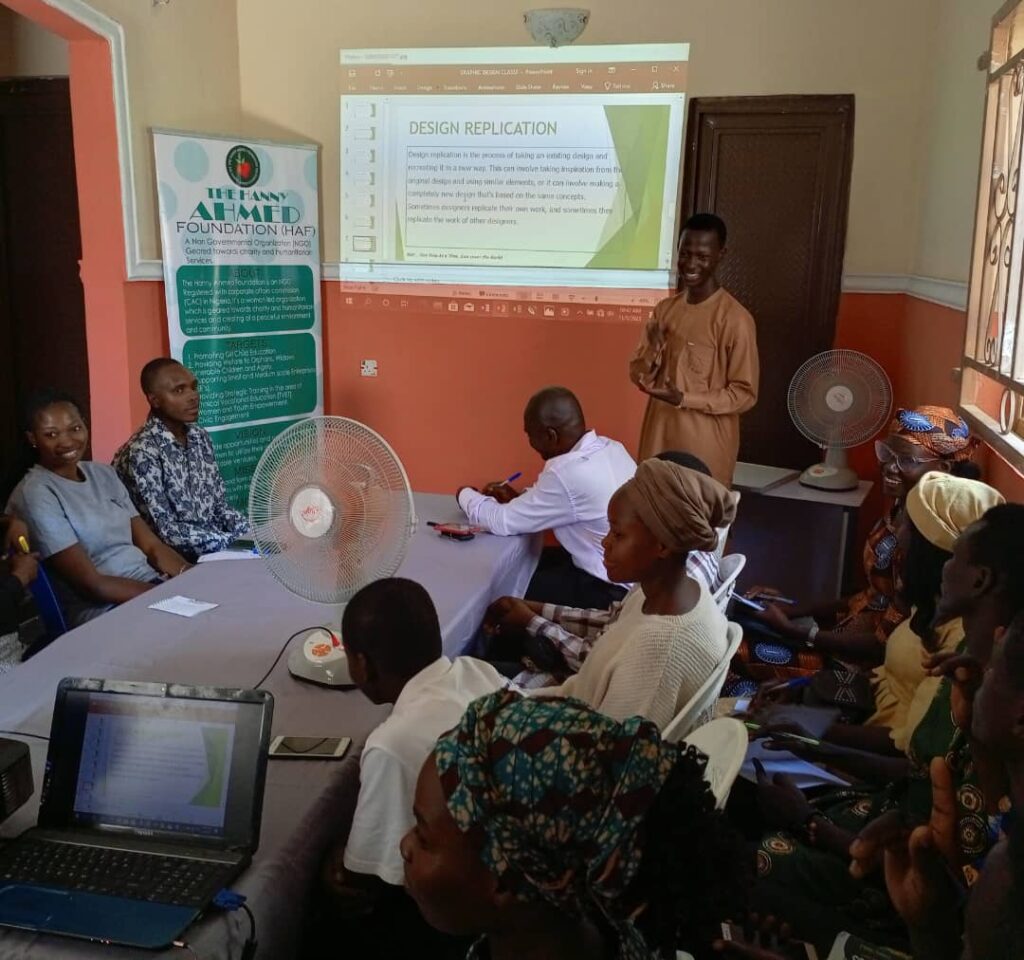
The world has gone digital and there’s a need to be part of the digital innovation by learning digital skills in order to stay relevant and flow with the changes of the digital era. Graphic design is among the top-most needed skills and services today due to the high increase in the number of brands and services which needs visual presentations. We have conducted a physical meeting with about 20 participants of both genders on what graphic design is, Types of Graphic design, design principles, elements, resources and replication as an introductory and basic course in graphic design. The participants have passed through series of online training and assignments which were assessed at the end of the training.
Staff and Volunteers Capacity Building Training
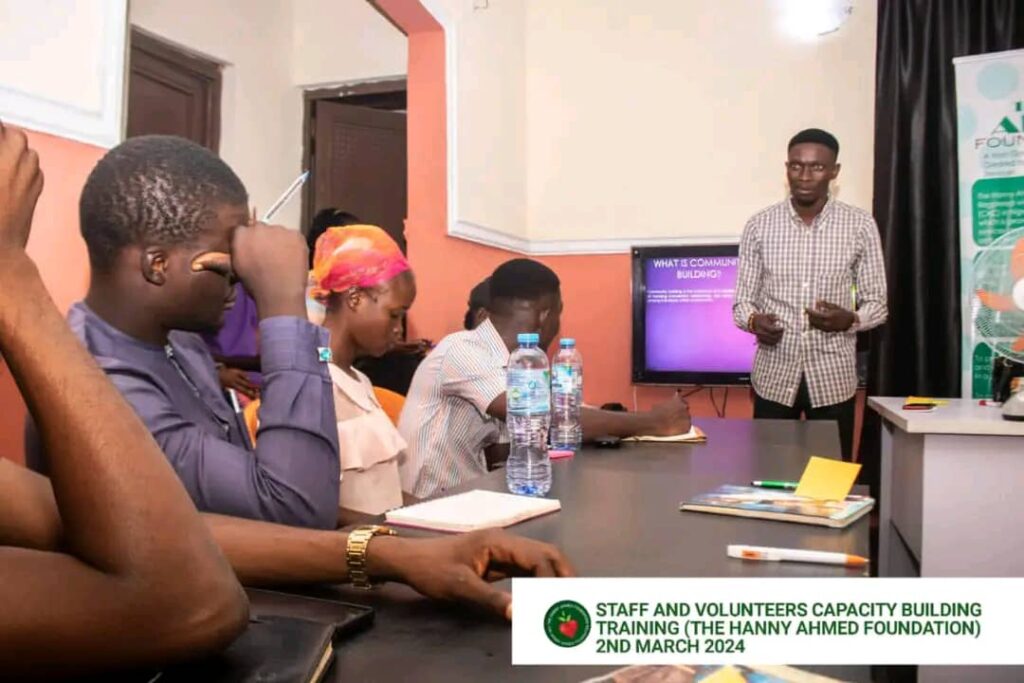
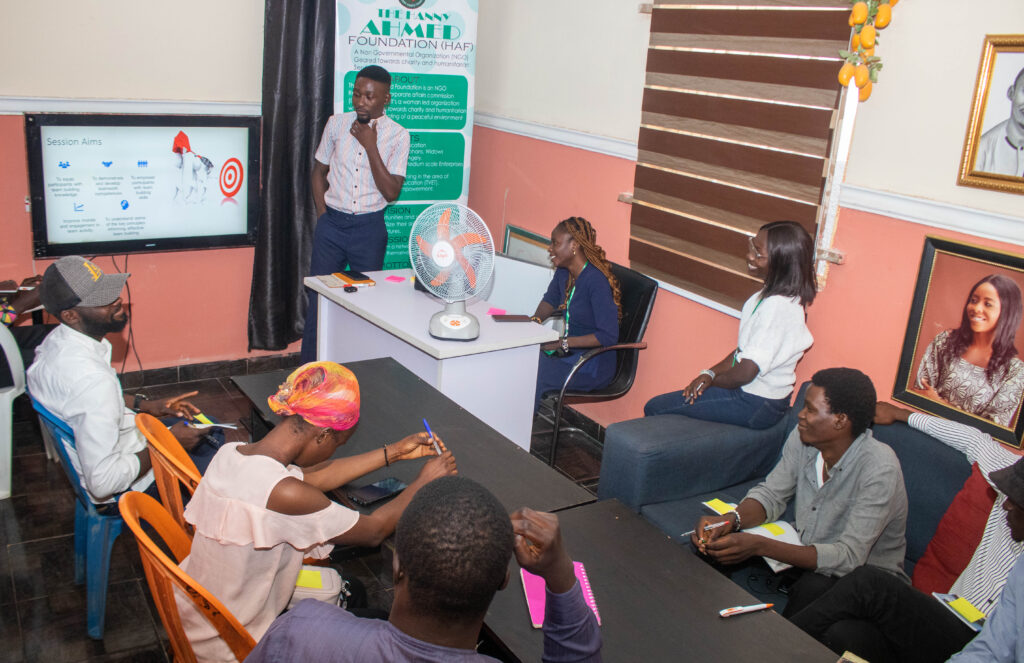
We believe in effective management in all capacity to deliver to our community and society at large. Which lead to the open Capacity Building Training for our staff and volunteers, and those in need. For Trust and Effective Management of services in team building, community building, personal development for effective delivery in the society at large. Among which was stated to foster a good relationship between co-workers to their community at large. In the Hanny Ahmed Foundation, we believe that everyone deserves and have right for personal development as growth. We are driven by love, sacrifice and unity. We believe together everything is possible. Yes!!! We can, with just one step at a time we can cover the world.
Capacity Building Training for Partners’ Staff and Volunteers
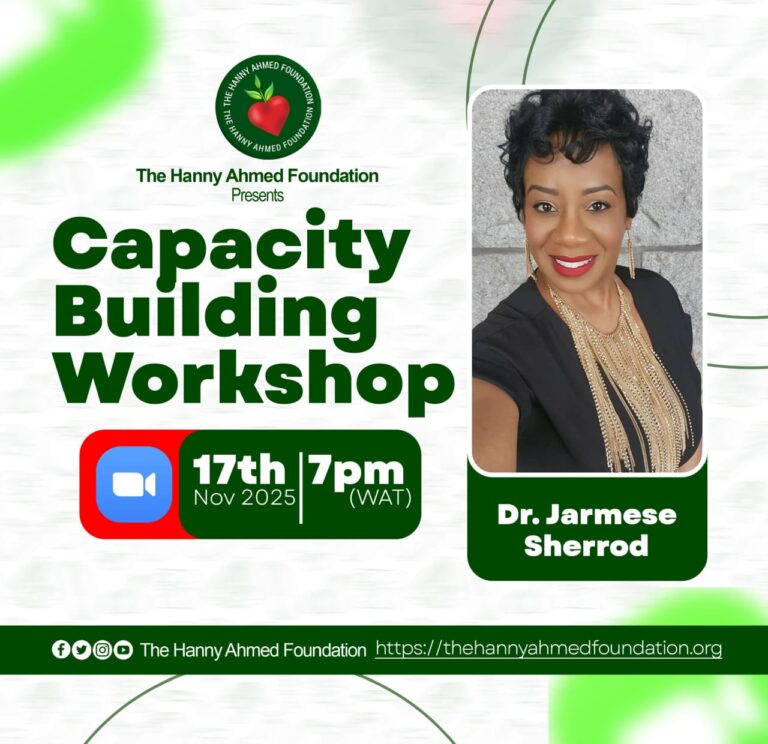
The Hanny Ahmed Foundation successfully conducted a capacity building training workshop for 27 staff and volunteers, aimed at strengthening leadership, project planning, and organizational sustainability.
The training focused on professional development, SWOT analysis, volunteer collaboration, reporting, advocacy, and strategic growth. Participants identified key strengths, challenges, opportunities, and threats to guide future improvement and impact.
This workshop is part of an ongoing capacity building series, which includes completed sessions in December 2025, with additional targeted trainings scheduled for February and April 2026. The initiative will culminate in the Foundation’s first leadership summit, supported through mentorship.
This effort reflects our commitment to empowering partners, staff, and volunteers with the skills needed to deliver sustainable, high-impact community programs as our year 2026 is for global impact and recognition.
Groups That Participated Includes:
- CDs medical aid group.
- Anti drug and health awareness.
- Global medical science students association.
- GSU anti drug group.
Note: We are scheduled to continue The Capacity Building Training for Partners’, Staffs and Volunteers in February and April.